
Published: May 7, 2025
Category: Pilot Insights
Tags: #WingmanWednesday #DroneEmergencies #DroneSafety #PilotGrowth #SkyCommanderAcademy
🌱 Theme: Growth Means Being Ready When It Counts
Spring isn’t just about blooming flowers and longer flight windows — it’s also a critical time to sharpen your safety reflexes. Growth in this industry means preparing for the unexpected — because sooner or later, something will go wrong in flight.
This week’s Wingman Wednesday is all about readiness, response, and recovering like a pro when things go sideways.
🎧 Podcast Spotlight: Episode 7 – Drone Emergencies EXPLAINED: What Every Pilot Must Know Before Losing Control!
“You don’t rise to the occasion — you fall to the level of your training.”
In Episode 7 of the Sky Commander Academy Podcast, we break down the real-world emergencies drone pilots face — and what separates controlled recoveries from costly disasters. From sudden wind shifts to GPS loss, signal interference, and low-battery surprises, this episode arms you with mindset and tactics that can save your drone — and your reputation.
📘 Learn the Lingo: Emergency-Ready Flight Terms
Know these terms cold — and use them in every mission:
- Failsafe Mode – Your drone’s automatic response when it loses signal. Know how it behaves before takeoff.
- RTH (Return to Home) – Not just a button — a flight behavior with altitude and logic settings you must understand and pre-set.
- ATTI Mode – When GPS fails, your drone switches to Attitude Mode. Expect drift and prep for manual flight.
- Critical Battery Warning – Learn your battery curve. “20% left” may mean seconds, not minutes.
🛠️ Tips & Tricks: Sky Commander’s Emergency Reflex Kit
- Set Smart RTH Parameters
Raise your Return-to-Home altitude above local obstacles (trees, poles, antennas). We recommend 30–60m minimum. - Simulate Failures in Safe Areas
Practice in low-risk environments. Force GPS loss or simulate battery fails to train your reactions. - Label Critical Manual Controls
In an emergency, fumbling is failure. Know which button does what, and build muscle memory. - Use Pre-Flight Checklists Every Time
Complacency is the enemy. Even short flights deserve full prep. - Fly with a Buddy When Possible
A second set of eyes sees things faster — and a wingman can help guide, spot, or even recover a rogue craft. - Know the Terrain
Before every flight, walk the area. Emergency landings are better when you know where the soft patches are.
🧠 The Big Idea: Emergencies Are a Matter of “When,” Not “If”
Every pilot has a story. The difference between a crash and a close call often comes down to preparation, training, and muscle memory.
At Sky Commander, we don’t just fly safe — we teach safety. And we build wingmen. That means you don’t have to panic when things go wrong — because you’ve already rehearsed the solution.
This is how pilots grow: by practicing discipline in calm skies, so we’re ready in turbulence.
✈️ Ready for Takeoff?
📥 Listen to Episode 7 of the Sky Commander Academy Podcast to learn how to outthink, outfly, and outsmart emergencies. Then ask yourself: Would I know what to do if I lost GPS right now?
Come back next week for pro pre-flight rituals that improve confidence and reduce risk — even before you power up your drone.
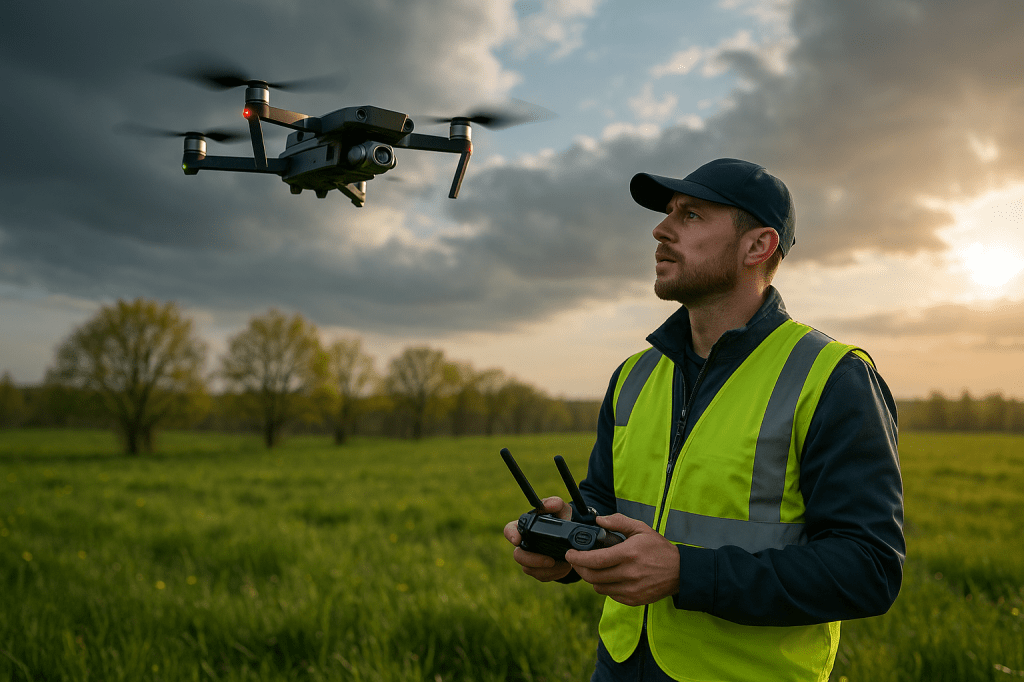
Image Suggestion: A pilot conducting an emergency drill in an open field — remote in hand, focused, and prepared.
Image ALT Text: Drone operator simulating a failsafe test in a controlled field environment.
📎 Internal Links
- 🛸 5 Spring Hazards Drone Pilots Should Watch For
- 🎙️ Flight School Files: Mastering Canadian Air Law
- 👥 Wingman Wednesday #1 – Why No One Should Fly Alone
📢 Call to Action
🚁 Don’t just fly — train. Share this post with a new pilot or teammate and start a conversation about emergency prep.
🎧 Listen to Episode 7 now and commit to becoming your own best wingman.
 Sky Commander – Drone Inspections & Aerial Intelligence
Leave a comment